Edward Conard

Top Ten New York Times Bestselling Author

  • “Unintended Consequences represents the most cogent and persuasive analysis of the Financial Crisis to date.” - Andrei Shleifer, 1999 John Bates Clark Medal Winner
  • “…a comprehensive explanation of the modern economy.” - Julian Robertson, Founder, Tiger Management
  • “A full-throated defense of economic dynamism.” - The Wall Street Journal
  • “…serious thinking for serious thinkers. …a thought-provoking blueprint for growing middle- and working-class incomes.” - Mitt Romney, former Governor of Massachusetts
  • “…a fresh argument for the productive value of inequality.” - David Autor, Professor of Economics, Massachusetts Institute of Technology
  • “…a very valuable contribution.” - Larry Summers, former Secretary of the Treasury and director of the National Economic Council, president emeritus, Harvard University
  • “…a comprehensive explanation of the modern economy.” - Julian Robertson, Founder, Tiger Management
  • “Unintended Consequences offers deep and well-argued analyses on almost every issue.” - The New York Times
  • “Unintended Consequences is far smarter and more thought-provoking than most economics written for the general public” - Greg Mankiw, Harvard University, Former Chairman of the Council of Economic Advisors
  • “…challenges misconceptions that distort our economic debates.” - Arthur Brooks, President of the American Enterprise Institute
  • “…reminds us that inequality sends a signal of what society lacks most, in America’s case, entrepreneurship and risk taking.” - Lawrence Lindsey, CEO, The Lindsey Group, former Director of the National Economic Council
  • “…reminds us that inequality sends a signal of what society lacks most, in America’s case, entrepreneurship and risk taking.” - Lawrence Lindsey, CEO, The Lindsey Group, former Director of the National Economic Council
Upside of Inequality Oxford Unintended Consequences
Buy the Books
  • Macro Roundup
  • About Roundup
  • About Ed Conard
  • Highlights
  • Topics
  • Subscribe
Edward Conard
  • twitter
  • facebook
  • linkedin
  • youtube

Alan Blinder Wages War on the Facts

Alan Blinder claims “in the late 1970s, the U.S. labor markets began to turn ferociously against workers with low skills and education,” that “technology was clearly the major villain,” and that “the U.S. government piled on” by “[waging a] war on the poor.” His claims don’t square with the evidence.
graph1Since 1980, U.S. demand for labor pulled 25 million foreign born workers to its shores, predominantly low-skilled Hispanic workers.
graph2

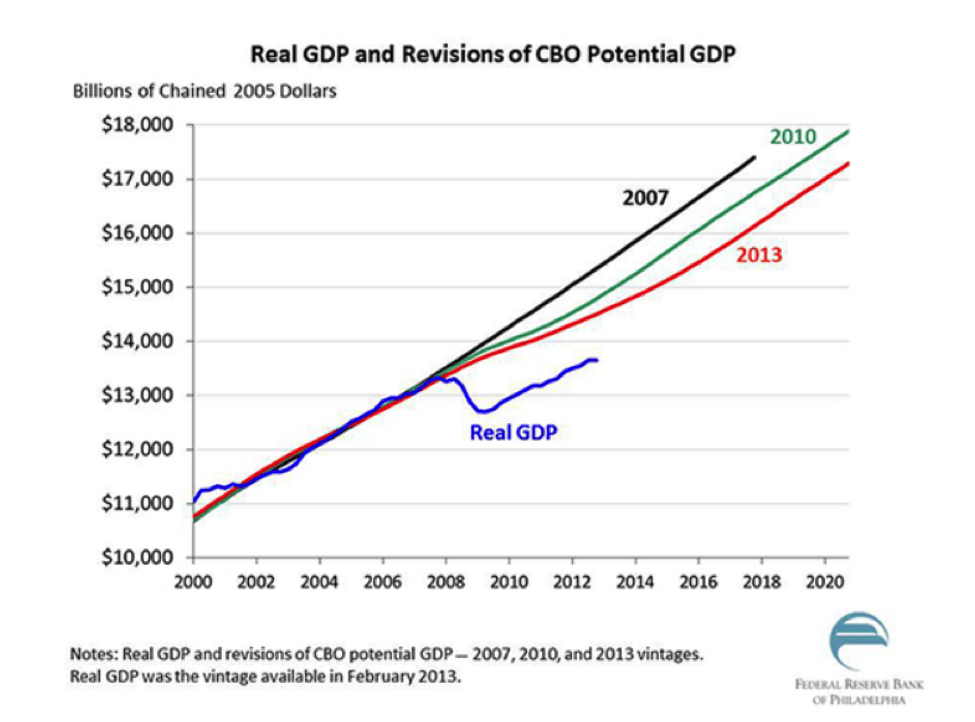
At the same time, unemployment, trended downward until the financial crisis.


Real government spending excluding defense doubled from $7,000 per person to $14,000 per person (2005 dollars; includes state and local spending).

GraphAccording to the Cato Institute the U.S. spends “nearly $1 trillion every year to fight poverty” which “amounts to $20,610 for every poor person in America, or $61,830 per poor family of three.” These figures exclude social security, and Medicare. The real per person spending on poverty has more than doubled since the 1970s.


Share this:

  • Share on X (Opens in new window) X
  • Share on Facebook (Opens in new window) Facebook
  • Share on LinkedIn (Opens in new window) LinkedIn
  • Print (Opens in new window) Print
  • Email a link to a friend (Opens in new window) Email
© Copyright 2026 Coherent Research Institute · All Rights Reserved · Privacy · Terms